Kandy: Sri Lanka's Cultural Capital and the Home of the Sacred Tooth Relic
Kandy is unlike any other city in Sri Lanka. Nestled in a valley surrounded by mist covered mountains, it was the last royal capital of the island and the only kingdom that successfully resisted three colonial powers for more than three centuries. Today it is a UNESCO World Heritage City and the cultural heart of the country, drawing visitors from all over the world to its ancient temple, its royal lake, and its extraordinary annual festival.
This guide covers the city's history, the Temple of the Sacred Tooth Relic, the Esala Perahera festival, nearby attractions, and practical tips for travellers.
A City That Held Out Against the World
Kandy sits at an altitude of around 465 metres above sea level, protected on all sides by mountain ranges, dense forest, and the looping course of the Mahaweli River, the longest river in Sri Lanka. These natural defences made the city almost impossible to take by force.
The Kandyan Kingdom was founded in 1469 and its capital established in Kandy in 1592 by King Wimaladharmasuriya I. Over the next two and a half centuries, Portuguese, Dutch, and British forces all attempted to capture the city. Every one of them failed until 1815, when a combination of internal discontent among Kandyan chiefs and growing resentment towards the last king finally led to a peaceful handover through the Kandyan Convention, signed on 2 March 1815.
It was not a military defeat. It was a political one. The British succeeded where armies had not. With that, 2,357 years of Sri Lankan monarchy came to an end. Kandy became a UNESCO World Heritage City in 1988, recognised for its outstanding cultural landscape and its role as the centre of Theravada Buddhism in the region.
The Sacred Tooth Relic: A Journey Across Centuries
At the centre of Kandy's identity is the Sacred Tooth Relic of the Buddha, known in Sinhala as the “Dalada”. This is the lower left canine tooth of the Gautama Buddha, retrieved from his funeral pyre in Kushinagar, India, following his passing in the 5th century BC.
The relic was brought to Sri Lanka in 312 AD, during the reign of King Kithsiri Mewan. According to tradition, it was carried by Princess Hemamala and her husband Prince Dantha, who travelled from the kingdom of Kalinga in India disguised as Brahmin pilgrims. To keep it safe, the princess hid the relic in the coils of her hair. They landed on the eastern coast and presented the relic to the king, who enshrined it in a crystal bowl in a temple in Anuradhapura.
From that moment, the Tooth Relic became the most important symbol of royal power in Sri Lanka. To hold the relic was to hold the right to rule. As the island's capitals changed over the centuries, the relic moved with them. Its full journey across the island's ancient kingdoms is remarkable.
✦ Anuradhapura : 312 to 1017 AD
✦ Polonnaruwa : 1017 to 1215 AD
✦Dambadeniya : 1232 to 1271 AD
✦Yapahuwa : 1271 to 1284 AD (taken to India briefly by Pandyan invaders before being returned)
✦Kurunegala : 1293 to 1325 AD
✦ Gampola : 1372 to 1408 AD
✦ Kotte : 1410 to 1475 AD
✦ Hidden at Delgamuwa Temple : for over a century, kept safe from Portuguese forces
✦ Kandy : 1593 to the present day
After the British assumed control of the island in 1815, the relic came under British custody for a period. In 1853, it was formally returned to the Buddhist community and placed under the care of the Diyawadana Nilame, the chief lay custodian of the temple, and the senior monks of the “Malwatte” and “Asgiriya” monasteries, where it has remained ever since.
The Temple of the Sacred Tooth Relic: Sri Dalada Maligawa
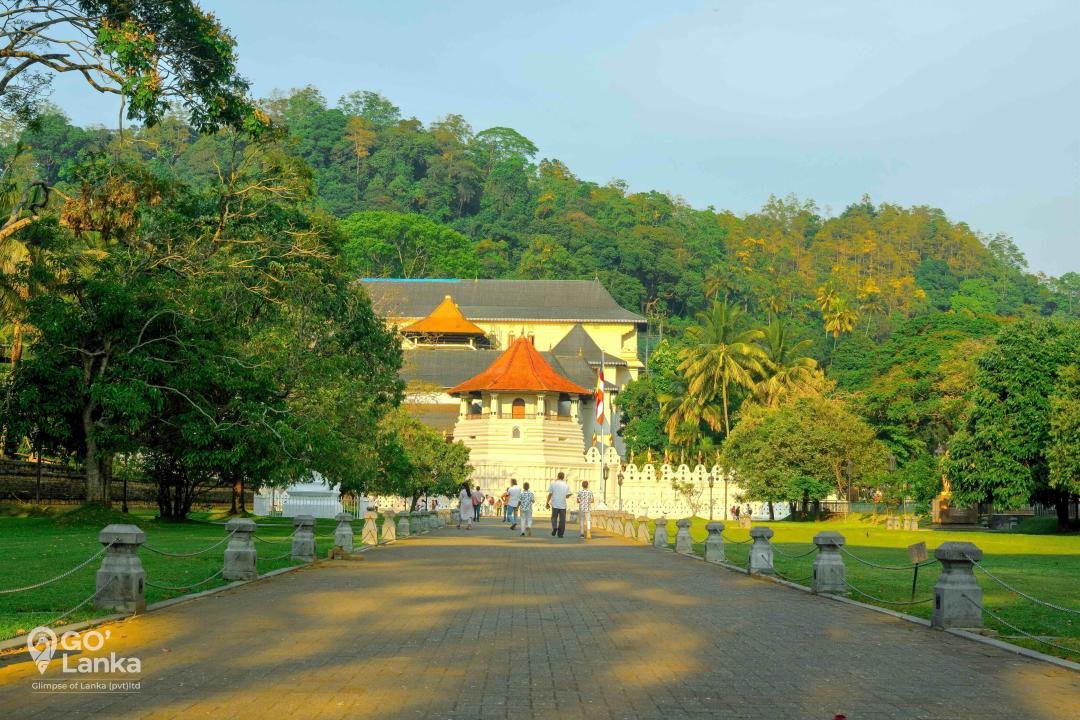
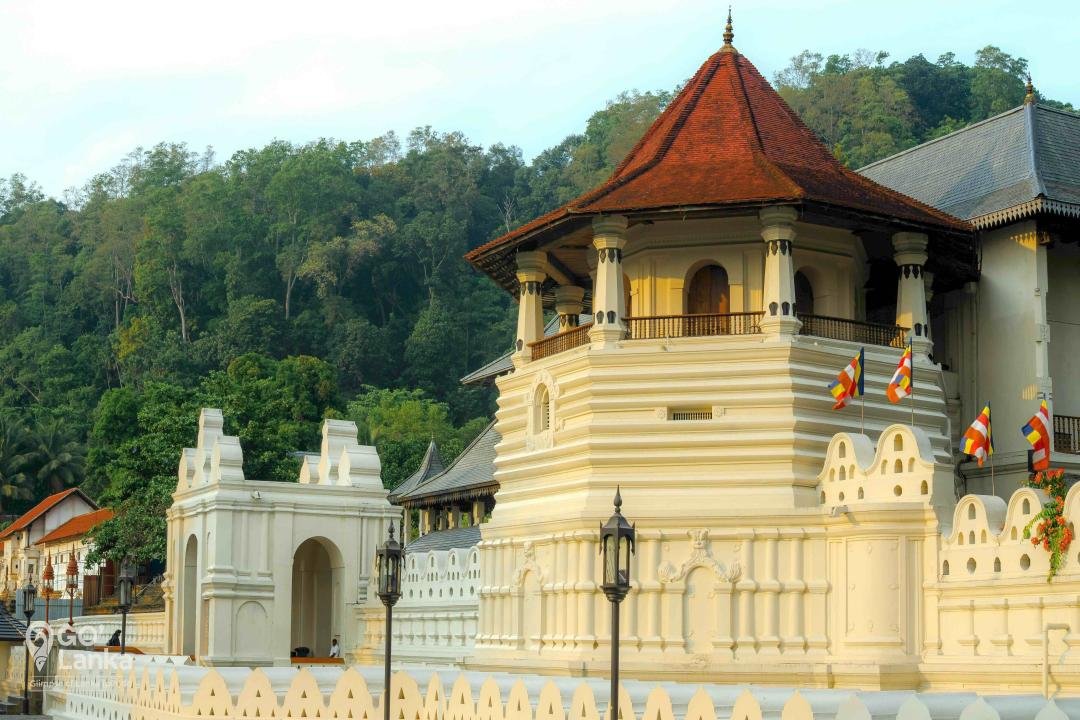
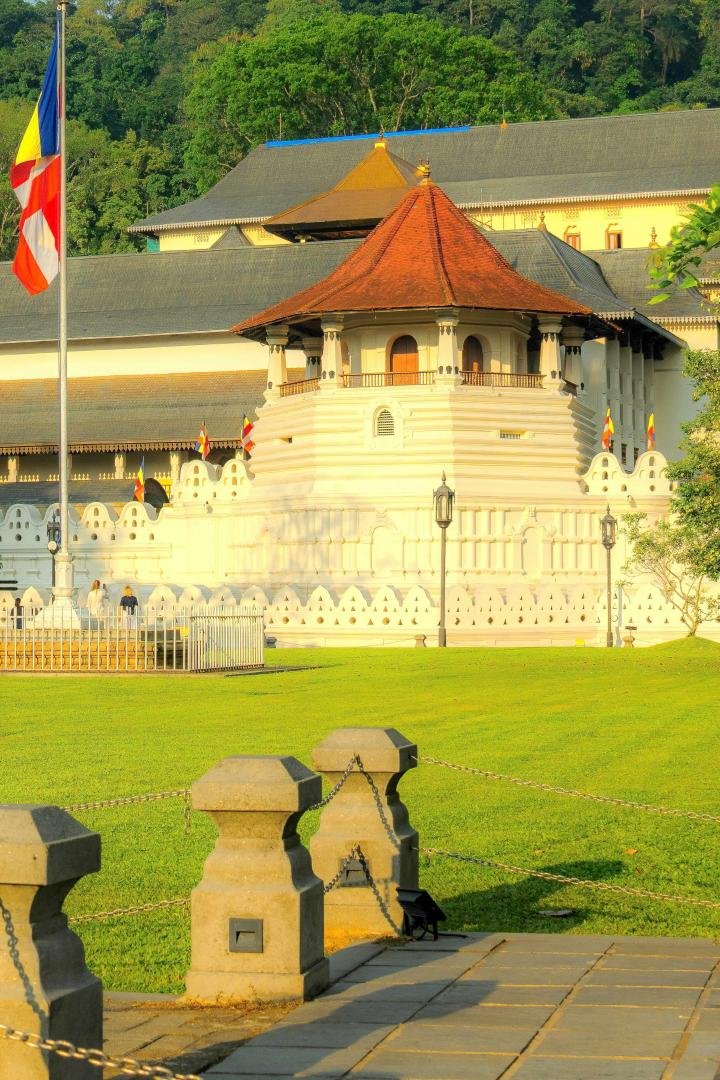
The Temple of the Sacred Tooth Relic, known as Sri Dalada Maligawa, stands at the heart of Kandy, beside the royal lake. The complex was first built in 1592 and has been added to, destroyed, and rebuilt by successive kings over the centuries. What visitors see today reflects the work of several royal patrons, most notably King Narendrasinghe, who built the main two storeyed shrine in the early 18th century, and King Keerthi Sri Rajasinghe, who refurbished and extended it. The Octagon tower by the moat, now home to the Oriental Library with its collection of ancient palm leaf manuscripts, was added by the last king of Kandy, Sri Wickrama Rajasinghe, between 1798 and 1815.
Architecture and Layout
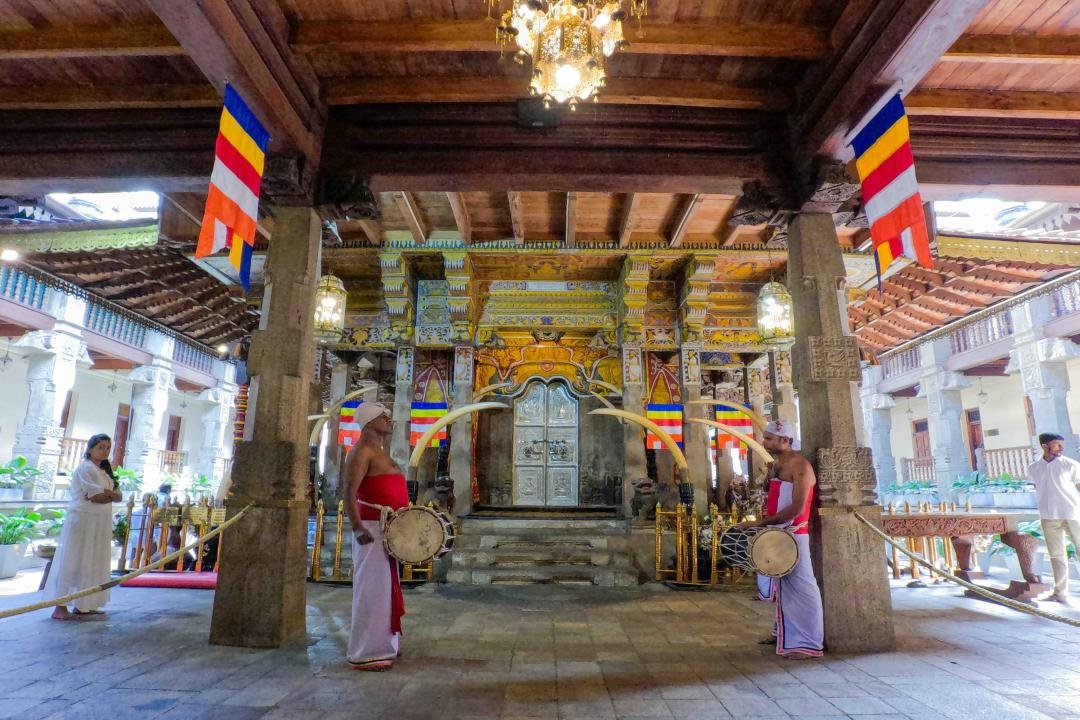
Entering the temple, visitors cross a bridge over the moat and pass through the “Maha Wahalkada”, the tall main gateway. Two decorative walls run alongside the moat: the “Walakulu Bemma”, or cloud drift wall, and the “Diyareli Bemma”, or wave wall. Passing through a dragon arch and a short tunnel, you reach the “Hewisi Mandapaya”, the drummers' courtyard, where musicians perform during the three daily worship ceremonies.
The main shrine stands ahead, two storeys high. The ground floor, called “Palle Male”, houses a shrine room with a precious crystal Buddha image and the Great Treasury, where gifts offered by ancient kings and dignitaries are displayed. The upper floor, called “Uda Male”, contains three chambers. The first two are known as the “Handun Kunama”, or sandalwood rooms, where the relic casket is occasionally displayed to devotees. The innermost chamber, the “Vedahitina Maligawa”, is the inner sanctum where the Sacred Tooth Relic rests inside seven nested golden caskets, each studded with jewels.
The relic itself is never publicly displayed. Visitors view the outermost golden casket, which is brought to the Handun Kunama during the three daily worship ceremonies, known as “Thevava”. These ceremonies take place at 5.30 am, 9.30 am, and 6.30 pm each day. Attending one of these ceremonies, particularly the atmospheric evening Thevava, is one of the most memorable experiences Kandy offers.
Visiting the Temple
The temple is open daily from around 5.30 am to 8.00 pm. Modest dress is required for all visitors, shoulders and knees must be covered for both men and women, and shoes and hats must be removed before entering. Sarongs are available to hire at the entrance if needed. Photography is allowed in most areas of the complex, though it is considered disrespectful to photograph devotees at prayer without permission, and flash photography should be avoided near the shrine rooms.
Entrance fees for foreign visitors are set in Sri Lankan rupees and subject to change by the government, so it is always worth checking the current rate before your visit. At the time of writing, fees for non-SAARC international visitors are in the region of LKR 1,500 to 2,000, which includes access to the temple's museum.
Arriving early in the morning, before the main tour groups arrive, gives you a quieter and more contemplative experience. The evening ceremony at 6.30 pm is widely considered the most atmospheric time to visit.
The Esala Perahera: Asia's Greatest Procession
Every year in July or August, Kandy hosts the Esala Perahera, one of Asia's oldest religious festivals and a remarkable display of Sri Lankan cultural tradition. Running over ten nights, the procession fills the city streets with fire ball dancers, Kandyan drummers, horn players, traditional costumed dancers performing styles passed down through generations, and dozens of caparisoned elephants walking in ceremonial formation. The centrepiece is the Maligawa Tusker, carrying the golden relic casket along a white cloth path laid in its honour. Behind come the pageants of four Hindu devales, representing Natha, Vishnu, Kataragama, and Pattini, reflecting the long coexistence of Buddhist and Hindu traditions in Sri Lanka.
For visitors, the Esala Perahera offers a rare opportunity to witness a living cultural tradition that has continued largely unchanged for over two centuries. The combination of music, dance, ritual, and ceremony makes it one of the most culturally rich events in South Asia. The festival closes with the water-cutting ceremony at the Mahaweli River at dawn. We will cover the Esala Perahera in full detail in a future article on the Glimpse of Lanka blog. If you plan to visit Kandy for the festival, book accommodation well in advance, as hotels fill up months ahead.
What Else to See Near Kandy:
Royal Botanical Gardens, Peradeniya
About 6 km from the city centre, the Royal Botanical Gardens at Peradeniya cover 147 acres and contain over 4,000 plant species, including orchids, spices, and towering bamboo avenues. The gardens have royal origins dating back to the 14th century and were developed into a botanical garden by the British in 1821. They make for a pleasant half-day visit, especially in the morning when the light is good and the heat is manageable.
The Three Temples Circuit
Three historic temples lie within easy reach of Kandy, each dating from the 14th century and each worth a visit in its own right:
✦ Gadaladeniya Temple (around 12 km away) — built on a rock in 1344, with South Indian architectural influences and a distinctive seated Buddha
✦ Lankatilaka Temple (around 14 km away) — a tall stone building from 1344, combining Buddhist and Hindu design, with a beautiful hilltop setting
✦ Embekka Devale (around 16 km away) — a 14th century shrine famous for its intricately carved wooden pillars, considered among the finest wood carvings in Asia
Kandy Lake and the City
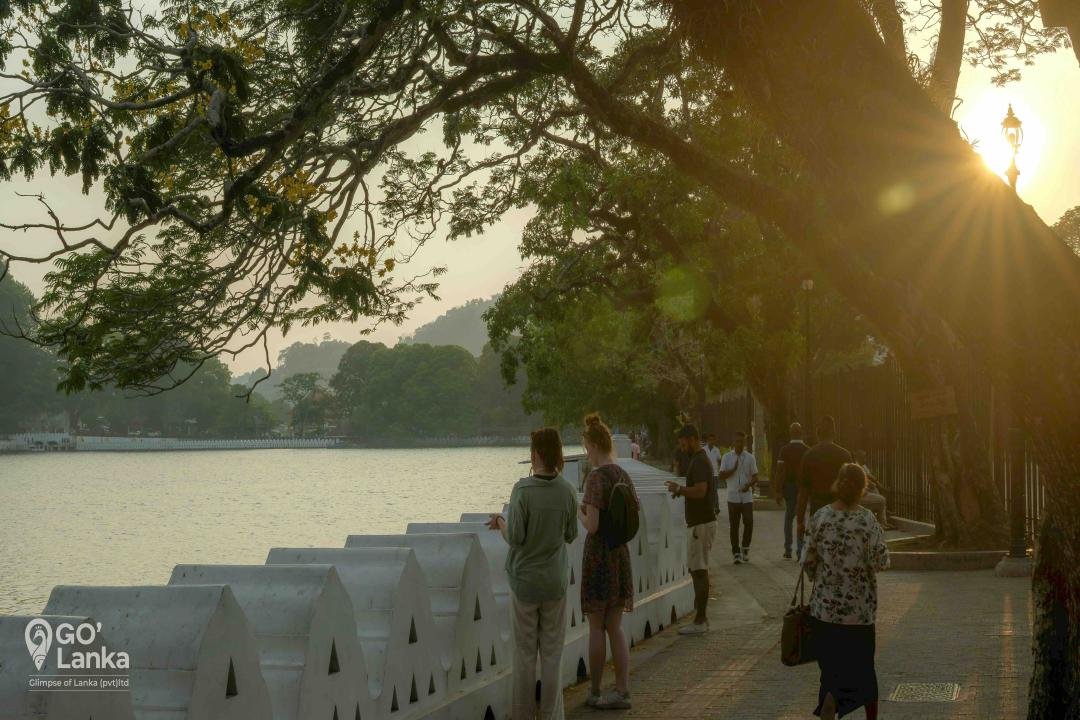
The Kandy Lake was built in 1807 by the last king of Kandy, Sri Wickrama Rajasinghe. A quiet walk around its 3.4 km perimeter takes about an hour and gives pleasant views of the temple, the surrounding hills, and the cloud-drift wall that runs along the lakeside. The lake and its surroundings are at their best in the early morning or late afternoon.
Ceylon Tea Museum
About 3 km from the city centre, the Ceylon Tea Museum is housed in a restored colonial-era tea factory in the Hantana hills. It tells the story of Sri Lanka's tea industry from its 19th century beginnings and includes working machinery, historical photographs, and tea tasting. It is a good option for a couple of hours, particularly if you are interested in the hill country's most famous product.
Practical Tips for Visiting Kandy
Getting There
Kandy is about 116 km from Colombo, roughly a three to four hour drive by road. The scenic train journey from Colombo Fort Station is one of the most enjoyable ways to arrive, winding through tea country and hills in around two and a half to three hours. First class observation carriages can be booked in advance and are well worth it for the views.
Best Time to Visit
The driest and most comfortable time to visit Kandy is from January to April, when the weather is clear and cooler. If you wish to attend the Esala Perahera, you will need to plan your trip for July or August, depending on the exact dates set each year by the temple astrologers. Accommodation books up quickly for the festival period, so book as early as possible.
How Long to Spend
Most visitors spend at least two nights in Kandy to do it justice. A single full day gives you enough time for the temple, a walk around the lake, and one or two nearby attractions. Two full days allows you to add the botanical gardens and the three temples circuit at a relaxed pace.
General Tips
✦ Dress modestly throughout Kandy, not just at the temple — the city has a strong religious atmosphere and residents appreciate respectful dress
✦ Shoes are removed at the temple entrance; wear footwear that is easy to slip on and off
✦ The three daily Thevava ceremonies are the highlight of any temple visit — try to time your arrival to coincide with one
✦ The evening ceremony at 6.30 pm is the most atmospheric and worth planning around
✦ Hire a licensed guide at the temple for a richer understanding of what you are seeing — many can explain the architecture, rituals, and history in detail
Frequently Asked Questions About Kandy
Can non-Buddhists visit the Temple of the Tooth Relic?
Yes. The temple welcomes visitors of all faiths and backgrounds. Respectful behaviour and modest dress are the only requirements.
Is the Sacred Tooth Relic visible to visitors?
The relic itself is never put on public display. Visitors view the outermost golden casket, which is brought forward during the three daily Thevava ceremonies. The casket is a remarkable object in its own right, studded with jewels offered by centuries of devoted kings and worshippers.
How far is Kandy from Sigiriya and Dambulla?
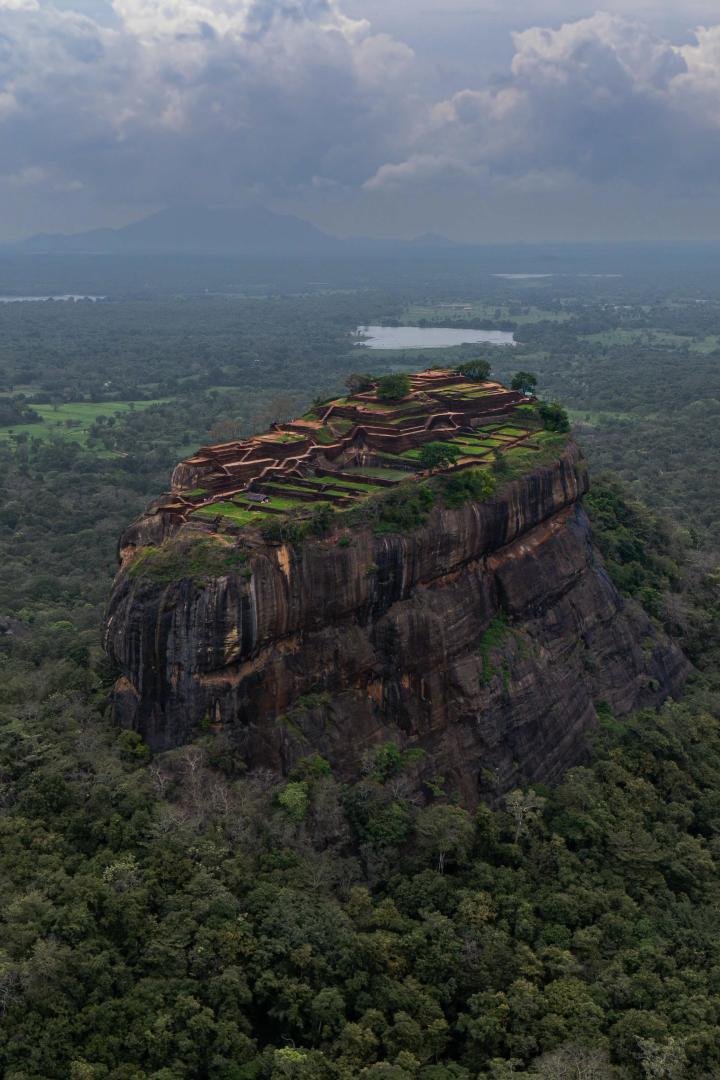
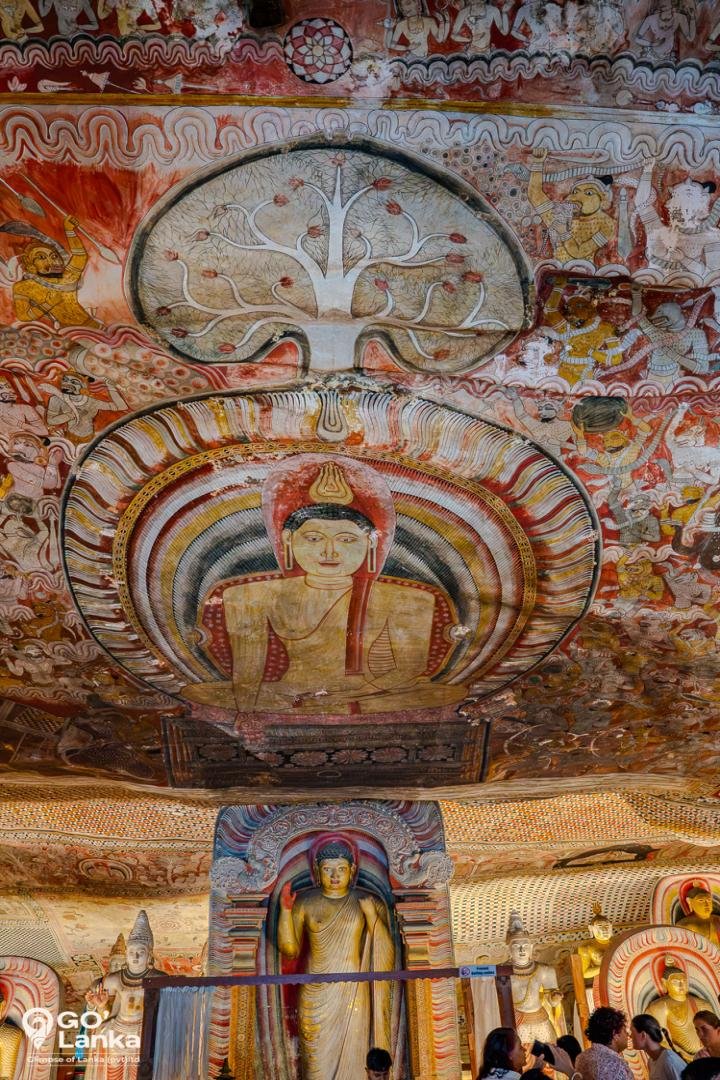
Kandy is around 72 km south of Dambulla and about 95 km from Sigiriya. Most visitors travelling Sri Lanka's Cultural Triangle include all three in a single itinerary, spending a night or two near Sigiriya and Dambulla before continuing to Kandy.
Is Kandy suitable for children?
Yes. The temple, the botanical gardens, and the lake are all suitable for families. The Esala Perahera is a particularly memorable experience for older children, though the late evening timing means younger children may find it tiring.
Plan Your Visit to Kandy with Glimpse of Lanka
Kandy rewards those who go beyond the obvious. The temple is extraordinary, but understanding why the Tooth Relic matters, why the procession is structured the way it is, and what each element of the Esala Perahera represents, makes the experience far richer.
If you would like help building an itinerary that includes Kandy alongside other highlights of Sri Lanka, our team at Glimpse of Lanka can create a tailor-made plan based on your interests, travel dates, and pace. Simply fill in our tailor-made itinerary form and we will take care of the rest.