Best Time to Visit Sri Lanka: A Complete Guide by Region
Sri Lanka is a small island, but its climate is far from simple. Two separate monsoon systems move across the island at different times of year, affecting opposite sides of the coast and the inland regions in different ways. The result is that while one part of Sri Lanka may be in the middle of its wet season, another is enjoying clear skies and calm seas.
This guide breaks down Sri Lanka's climate by region and by month, so you can plan your trip around the best conditions for where you want to go, whether that is the south coast, the east coast, the hill country, the ancient cities of the Cultural Triangle, the national parks, or the north.
The South-West Monsoon: May to September
The south-west monsoon arrives in May and affects the west coast, south coast, and hill country through to September. During this period, areas such as Colombo, Bentota, Galle, Mirissa, and the hill country around Kandy and Nuwara Eliya receive heavy and frequent rainfall. Seas on the south and west coasts become rough, and beach conditions are generally poor. The Cultural Triangle, Sigiriya, Dambulla, Anuradhapura, and Polonnaruwa receive moderate rainfall but remain largely visitable throughout, as the rain tends to fall in afternoon or evening bursts rather than all day.
During this period, the East Coast is largely unaffected and enters its best season. This is the time to head to Trincomalee, Pasikudah and Arugam Bay.
The North-East Monsoon: November to February
The north-east monsoon arrives from November to February and affects the east coast, the north, and parts of the Cultural Triangle. During this period, the west and south coasts dry out and enter their peak season. December to April is the best time to visit Colombo, Galle, Mirissa, Bentota, and the Cultural Triangle.
The inter-monsoon periods, March to April and October to November, are transitional months when brief, unpredictable showers can occur almost anywhere on the island. They often bring a pleasant mix of green landscapes, manageable temperatures, and lower visitor numbers. These months can offer excellent value without major weather disruption.
Region by Region: When to Go and What to Expect
The South and West Coast: December to April
The south and west coasts are where most first time visitors to Sri Lanka begin. Colombo, Negombo, Bentota, Hikkaduwa, Unawatuna, Galle, and Mirissa all sit along this stretch of coastline and enjoy their best weather from December to April, when the monsoon keeps the north-east wet while the south-west stays dry and sunny. Temperatures range from around 27°C to 31°C, seas are calm, and the beaches are at their best.
This is Sri Lanka's peak tourist season. Hotels fill up quickly around Christmas, New Year and February half term, so booking is strongly advised. Whale watching off Mirissa is at its most reliable between December and April, with blue whales and sperm whales regularly spotted on morning boat trips.
The East Coast: May to September
The East Coast has a completely different weather pattern from the South and the West. When the south-west monsoon brings rain to Galle and Colombo from May onwards, the east coast enters its dry season, with calm seas, consistent sunshine, and warm temperatures.
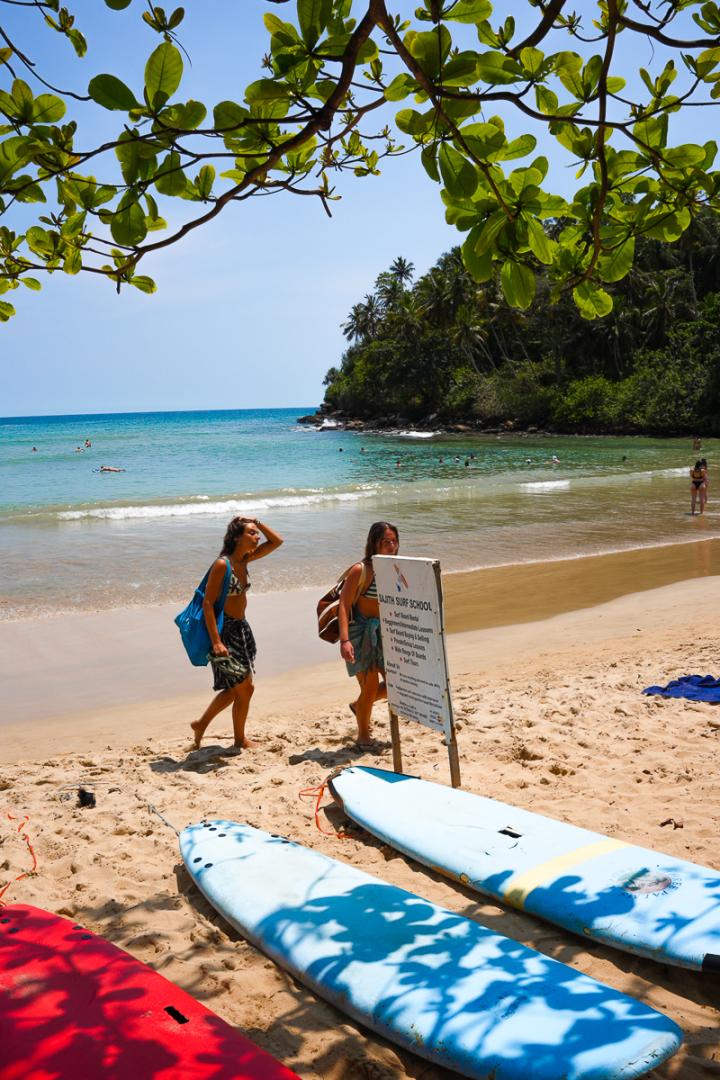
Trincomalee and its nearby beach at Nilaveli are at their best from May to September. The bay is clear, snorkelling conditions are excellent, and blue whale watching from Trincomalee is reliable in May and June. Further south, Pasikudah offers a shallow, reef protected bay that is particularly suitable for families. Arugam Bay, Sri Lanka's most famous surf destination, reaches its peak season from June to September, drawing surfers from across the world.
July and August also see the famous Great Elephant Gathering at Minneriya National Park in the north-central region, when several hundred elephants converge around the reservoir in one of Asia's most remarkable wildlife spectacles.
The Hill Country: January to April
The hill country, Kandy, Ella, Nuwara Eliya, and the tea growing highlands have a cooler climate than the rest of Sri Lanka, with temperatures ranging from around 15°C to 25°C depending on altitude. The best time to visit is from January to April, when rainfall is lower, and the mountain scenery is clear and vivid.
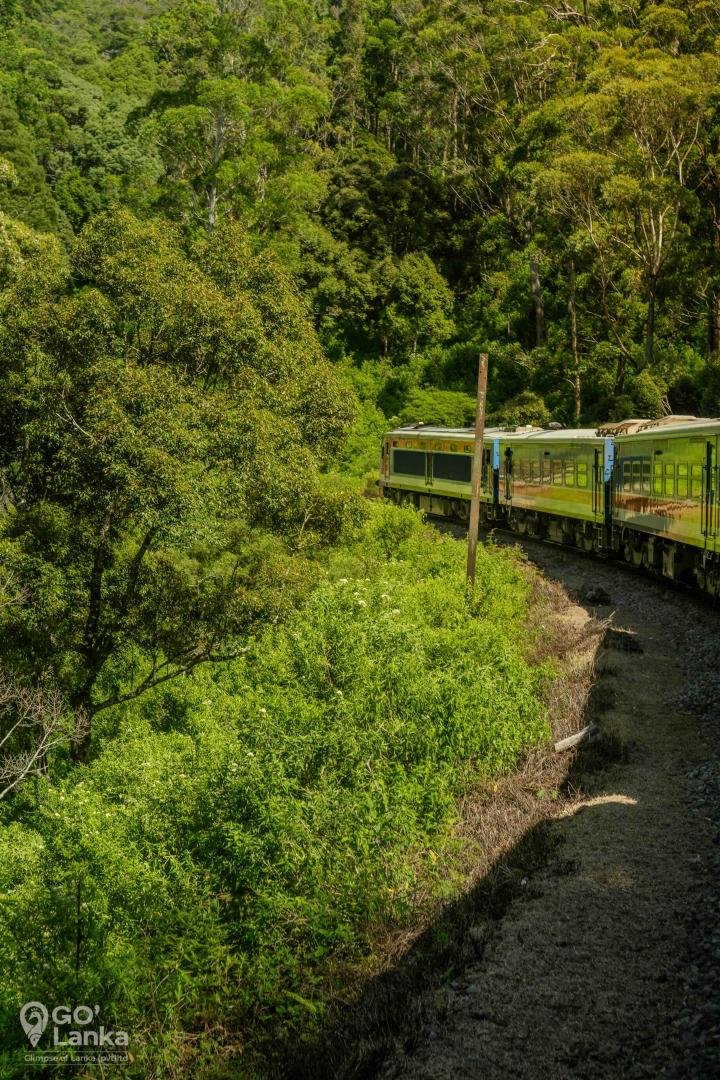
The scenic train journey from Kandy to Ella is one of the most celebrated rail routes in Asia. It runs year round, but the views are at their best during the dry season, when the mist lifts and the tea terraces are sharp against a blue sky. March and April can be quite warm at lower hill country elevations, but Nuwara Eliya remains pleasantly cool. The south-west monsoon arrives in May and brings heavy rain to the hill country, making some roads difficult and reducing visibility significantly.
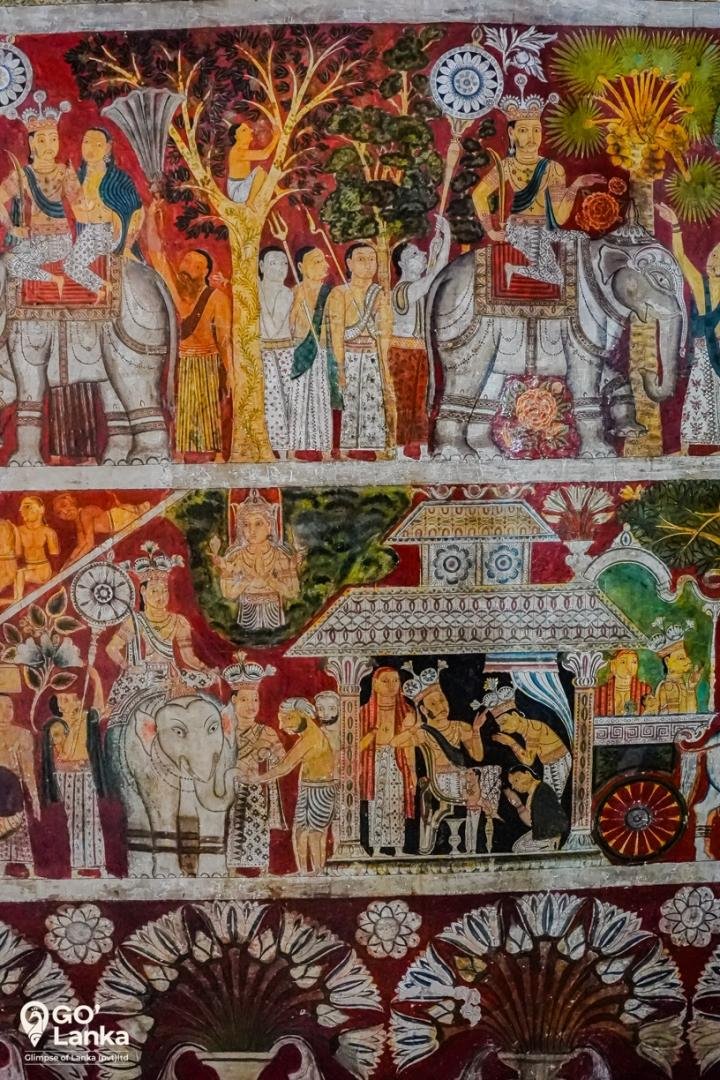
Kandy is worth visiting at any time of year, but July and August bring the “Esala Perahera”, one of Asia's most important cultural festivals. Running over ten nights, the procession features traditional drummers, Kandyan dancers, fire performers, and dozens of caparisoned elephants carrying the golden relic casket through the city streets. If your itinerary is flexible, timing a visit to coincide with the Esala Perahera is one of the most rewarding travel decisions you can make in Sri Lanka. You can read more about Kandy and its cultural significance in our full Kandy guide.
The Cultural Triangle: December to April
Sri Lanka's Cultural Triangle, covering Sigiriya, Dambulla Cave Temple, Anuradhapura and Polonnaruwa, sits in the dry zone of the north-central plains, which receives less rainfall than the coasts and hills throughout the year. The best time to visit is from December to April, when the weather is dry, temperatures are manageable in the early mornings, and the ancient sites can be explored comfortably.
The Cultural Triangle remains visitable outside peak season, but from May to September, temperatures in the open plains can reach 35°C or higher by mid morning, making an early start essential. October and November see some rainfall in the region as the north-east monsoon sets in, but it rarely disrupts a full day's sightseeing.
May is an important month for the Cultural Triangle for religious reasons. “Poson Poya”, the June full moon day, commemorates the arrival of Buddhism in Sri Lanka, celebrated most powerfully at Anuradhapura and at the nearby hill of Mihintale. “Vesak Poya” in May marks the Buddha's birth, enlightenment and passing and is observed across the country with lanterns, decorations, and temple visits. Both are significant cultural events worth factoring into your timing.
For more details on individual sites, see our dedicated guides to Sigiriya Rock Fortress, Dambulla Cave Temple, and the Ancient City of Anuradhapura on the Glimpse of Lanka blog.
Wildlife and National Parks: Timing Your Safari
Sri Lanka's national parks are spread across different climate zones, so the best safari season varies by park. As a general rule, dry season conditions concentrate wildlife around water sources, making sightings more predictable and photography easier.
• Yala National Park: February to October is the best period. Leopard sightings are most reliable from February to July, when the park is driest, and leopards are more visible around waterholes. The park typically closes for a short maintenance period in September.
• Wilpattu National Park: Open and productive year round, though the dry season from May to October offers the best conditions. Wilpattu is Sri Lanka's largest national park and receives far fewer visitors than Yala, making it excellent for a more solitary safari experience.
• Minneriya and Kaudulla National Parks: July to September is the season for the Great Elephant Gathering, when several hundred elephants gather around the reservoir as the surrounding grasslands dry out. This is one of Asia's most extraordinary wildlife events and is well worth planning around.
• Udawalawe National Park: Open year-round with reliable elephant sightings throughout. Udawalawe is considered one of the best parks in Asia for elephant viewing, with herds of wild elephants almost guaranteed on most visits.
The North: Jaffna and the Northern Peninsula (May to September)
Jaffna and the northern peninsula have become increasingly accessible to international travellers in recent years and reward those who make the journey. The region has its own distinct culture, architecture and cuisine, shaped by its predominantly Tamil Hindu heritage. The ancient Nainativu island temple, the Jaffna Fort, the palmyra palm landscapes and the unique lagoon scenery make Jaffna unlike anywhere else in Sri Lanka.
The best time to visit is from May to September, when the south-west monsoon keeps the south of the island wet but leaves the north largely dry. October and January bring the north-east monsoon, which affects the region with more persistent rain. Temperatures in the north tend to be higher than the rest of the island, often reaching 35°C in the dry season, so mornings are the most comfortable time for sightseeing.
Frequently Asked Questions
Is there a single best time to visit Sri Lanka?
December to April is the most reliable period for the greatest number of regions, including the south and west coasts, the Cultural Triangle, and the hill country. However, the East Coast, the north, and certain wildlife parks are at their best between May and September. Sri Lanka genuinely rewards year-round travel if you plan by region.
Can I visit Sri Lanka during the monsoon?
Yes. The key is choosing the right region for the time of year. When the south-west monsoon brings rain to Galle and Colombo, the east coast is sunny. When the north-east monsoon affects the east, the south and west are dry. Only during the inter-monsoon periods in October to November can rain be unpredictable across most of the island.
When is the cheapest time to visit Sri Lanka?
The low season on the south and west coasts runs from May to September, when the Yala monsoon is active. Hotels and tours are cheaper, crowds are smaller, and the landscapes are lush and green. If you direct your trip to the East Coast or Cultural Triangle during this period, you can find excellent value without compromising significantly on weather.
When is the Kandy Esala Perahera in 2026?
The exact dates of the Esala Perahera are set annually by the temple astrologers based on the lunar calendar. The festival typically falls in July or August. We recommend checking with Glimpse of Lanka or the Sri Dalada Maligawa directly for the confirmed dates before booking travel around the festival.
Plan Your Trip with Glimpse of Lanka
Timing your visit to Sri Lanka well makes a genuine difference to what you experience. The right month in the right region means better weather, more rewarding wildlife, and the chance to attend festivals that few international visitors plan around.
If you would like help building an itinerary that works with Sri Lanka's seasons and your own travel dates, our team at Glimpse of Lanka can put together a tailor-made plan based on where you want to go and what you want to see. Simply fill in our tailor-made itinerary form, and we will take care of the rest.