Sri Lanka is a small island with a vast personality. In a land roughly the size of Ireland, you will find eight UNESCO World Heritage Sites, 26 national parks, kingdoms over 2,500 years old, and 1,340 kilometres of coastline. This Sri Lanka travel guide offers a complete overview for first time visitors and returning travellers, geography, history, culture, food, wildlife, and practical tips for 2026.
Where Is Sri Lanka?
Sri Lanka sits in the Indian Ocean, just south of India, separated by the narrow Palk Strait. The island measures 432 kilometres long and 224 kilometres wide. No part of it is more than 118 kilometres from the sea. This compact size is a gift to travellers. Within a single day's drive, you can move from sun warmed beaches to cool tea hills, then on to dry plains where elephants roam.
The Three Faces of Sri Lanka
The Central Highlands form the spine of the country. Peaks rise above 2,500 metres, and the air stays cool year round. This region holds Nuwara Eliya, Ella, Hatton, and Kandy. Horton Plains, the Knuckles Range, and the Peak Wilderness Sanctuary together form a UNESCO World Heritage Site, declared in 2010.
The Surrounding Lowlands spread out toward the coast. This is the home of the Cultural Triangle. Anuradhapura, Polonnaruwa, Sigiriya, and Dambulla all sit here, dotted with isolated hills and ancient reservoirs.
The Coastal Belt wraps around the entire island. The south and west hold popular beaches like Bentota and Mirissa. The east comes alive between May and September. The north now welcomes visitors to Jaffna and Mannar.
A Brief History
Sri Lanka's recorded history stretches back more than 2,500 years. Evidence from Horton Plains shows people farmed and herded cattle here as early as 8,000 BC.
Classical history began with the arrival of Prince Vijaya in the 6th century BC. The Anuradhapura kingdom ruled for over 1,400 years. Polonnaruwa rose as the second capital in 1070 AD.
The island was known for centuries as Ceylon. Arab traders called it "Serendib", from which we get the English word "serendipity". The Portuguese arrived in 1505, the Dutch in 1658, and the British in 1796. Sri Lanka gained independence in 1948 and adopted its present name in 1972.
The Eight UNESCO World Heritage Sites
Sri Lanka holds eight UNESCO World Heritage Sites (six cultural and two natural)
1. Anuradhapura: the first capital, home to the Sri Maha Bodhi tree planted in 288 BC.
2. Polonnaruwa: the second capital, famous for granite carvings and royal palaces.
3. Sigiriya: the 5th century rock fortress with frescoes and water gardens.
4. Dambulla Cave Temple: five caves with 153 Buddha statues, dating from 89 BC.
5. Sacred City of Kandy: guardian of the Temple of the Tooth Relic.
6. Galle Fort: a Dutch-built fort from the 17th century.
7. Sinharaja Forest Reserve: a primaeval rainforest in the southwest.
8. Central Highlands of Sri Lanka: declared in 2010.
Few countries offer eight World Heritage Sites in a place you can cross in a single day.
The Cultural Triangle: Heart of Ancient Sri Lanka
The Cultural Triangle covers the lowland plains north of Kandy. It is where ancient Sri Lankan civilisation grew.
In Anuradhapura, you can stand before stupas larger than the pyramids of Giza. The sacred Sri Maha Bodhi tree, grown from a sapling of the original Bodhi tree under which Buddha attained enlightenment, has been guarded here for over 2,300 years.
Polonnaruwa holds the Gal Vihara, four giant Buddha statues carved from a single granite rock face.
Sigiriya is the most photographed site in Sri Lanka. The flat topped rock rises 200 metres above the plain. King Kashyapa built his palace on the summit in the 5th century AD. Frescoes of celestial maidens still glow on the rock face.
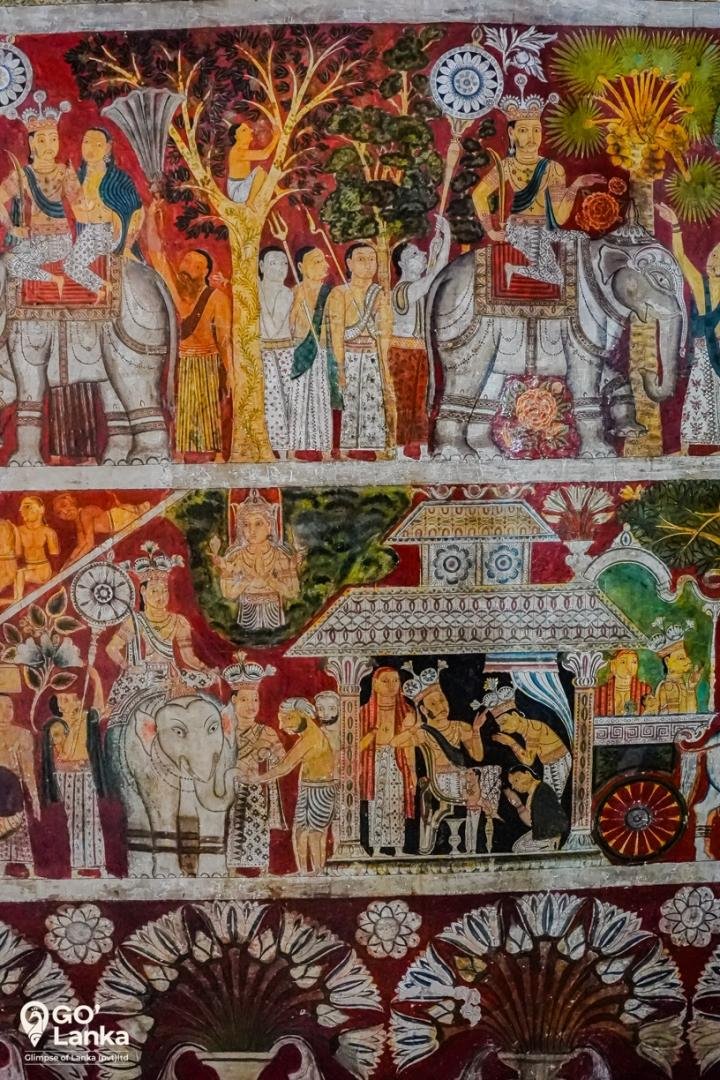
Dambulla Cave Temple is the largest cave monastery in the country, with ceiling paintings covering 2,100 square metres of rock surface.
The Hill Country: Tea, Trains, and Misty Peaks: The hill country is the soul of Sri Lankan tourism. The British built it as their summer retreat, and the legacy is everywhere: colonial bungalows, golf courses, and rolling tea estates.
Kandy, set around a serene lake, is the gateway to the highlands. The Temple of the Sacred Tooth Relic is the most important Buddhist site in the country. The annual Esala Perahera procession in July or August is one of Asia's grandest cultural festivals.
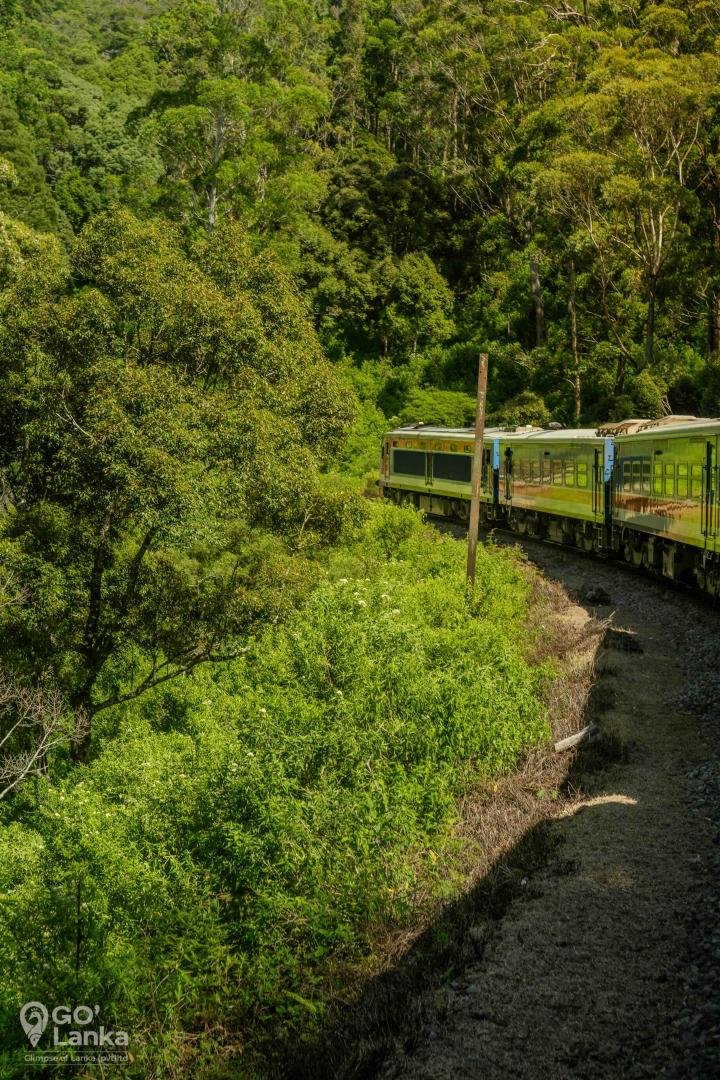
The train journey from Kandy to Ella is widely considered one of the most scenic rides in the world. Nuwara Eliya, often called "Little England", sits at 1,868 metres beneath Pidurutalagala, Sri Lanka's highest peak at 2,524 metres. Ellaoffers Nine Arch Bridge, Little Adam's Peak, and Ella Rock all within easy walking distance.
Adam's Peak (Sri Pada) rises to 2,243 metres. The conical mountain is sacred to four religions, such as Buddhism, Hinduism, Muslims, and Christianity. Pilgrims climb through the night between December and May to reach the summit at sunrise.
Horton Plains National Park sits at over 2,100 metres. The famous World's End cliff drops 870 metres straight down. The Knuckles Mountain Range offers untamed wilderness and traditional villages like Meemure and Heel Oya, where 20 per cent of the plants grow nowhere else on earth.
The Coastal Belt: Beaches Around the Island
Sri Lanka's coastline runs for over 1,340 kilometres. Each coast has its own character.
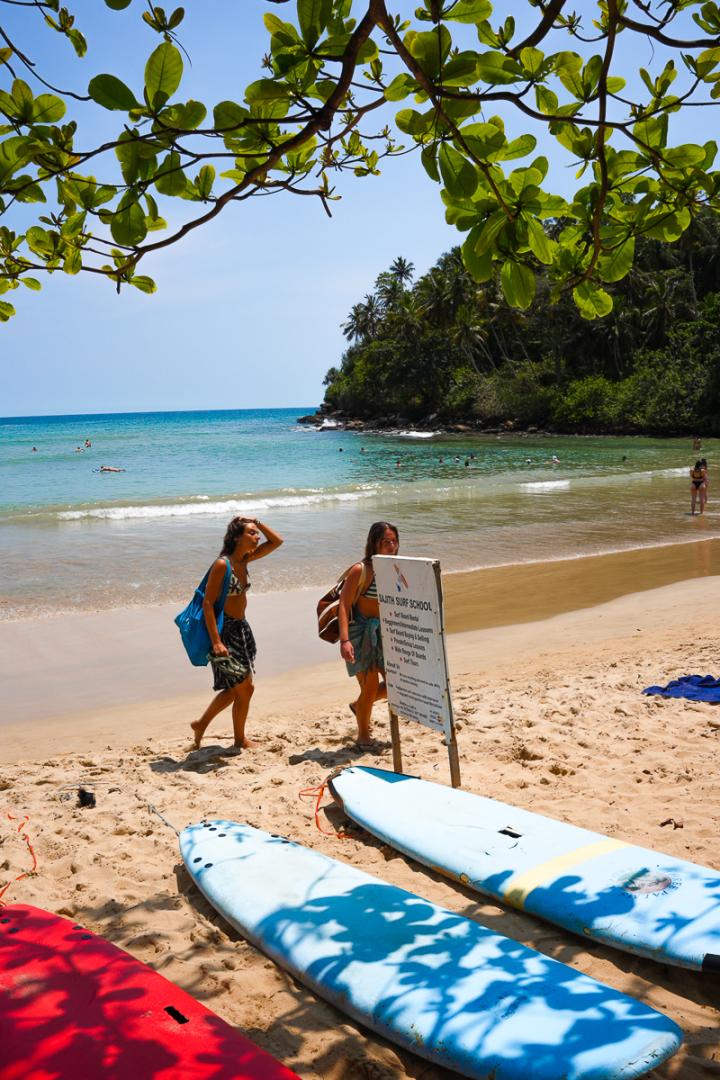
- The South Coast is the most popular. Bentota offers calm waters. Galle Fort mixes Dutch architecture with quiet cafés. Mirissa is famous for blue whale watching from November to April.
- The West Coast stretches from Negombo, near the airport, down to Beruwela and Bentota.
- The East Coast comes alive between May and September. Trincomalee holds the natural harbour praised by Marco Polo. Pasikuda offers shallow, calm waters. Arugam Bay is one of Asia's top surfing spots.
- The North Coast opens up Jaffna, the cultural heart of Sri Lankan Tamil identity, along with Mannar and the nearby Wilpattu National Park.
Wildlife and National Parks
Sri Lanka is one of the best wildlife destinations in Asia, with 26 national parks and over 470 bird species.
Yala National Park: the highest leopard density in the world.
Udawalawe National Park: the best place to see wild elephants.
Wilpattu National Park: the largest, famous for natural lakes and elusive leopards.
Minneriya and Kaudulla: hosts "The Gathering" between July and September, when over 300 elephants come together.
Sinharaja Rainforest: a UNESCO Natural Heritage Site filled with endemic birds and butterflies.
Whale watching off Mirissa and Trincomalee offers sightings of blue whales, the largest animals ever to live on earth.
Sri Lankan Culture and Religion
Sri Lanka is a land of many cultures. The Sinhalese, who form about three quarters of the population, are mostly Theravada Buddhists. Sri Lankan Tamils are mainly Hindus. There are also large Muslim and Christian communities.
Buddhism arrived in the 3rd century BC, when Mahinda Thera, son of Emperor Ashoka of India, met King Devanampiya Tissa at Mihintale. From that moment, Sri Lanka became a guardian of Theravada Buddhism, the oldest surviving school of the Buddha's teachings.
Sri Lankan people are warm, curious, and hospitable. English is widely spoken. A simple "Ayubowan", meaning "may you live long", will open many doors.
Sri Lankan Food: A Tropical Feast
Sri Lankan food is one of the great unsung cuisines of Asia. It is fragrant, spicy, and built on rice, coconut, and fresh seafood.
The classic meal is rice and curry, a plate of rice surrounded by five or six small curries: dhal, jackfruit, beetroot, fried fish, and coconut sambol.
Other Sri Lankan classics:
- Hoppers (appa): bowl-shaped rice flour pancakes, often served with an egg.
- String hoppers (idiyappa): fine rice noodles steamed into nests.
- Kottu roti: chopped flatbread stir-fried with vegetables, egg, or meat.
- Lamprais: rice and curry baked in a banana leaf.
Sri Lanka is also one of the world's largest tea producers. Ceylon tea, introduced by the British in 1824, remains a global symbol of quality. Cinnamon, cardamom, cloves, and pepper grow in abundance, the island has been famous for spices since ancient times.
Climate and Best Time to Visit
Sri Lanka has a tropical climate that stays warm all year. The lowlands sit between 26°C and 32°C. The highlands are cooler, between 10°C and 20°C.
Two monsoons shape the country:
- Southwest Monsoon: May to September, bringing rain to the south, west, and central regions.
- Northeast Monsoon: December to February, bringing rain to the north and east.
The best time to visit Sri Lanka depends on where you go.
- December to March- the south, west, hill country, and Cultural Triangle are at their best.
- May to September- ideal for the east coast and wildlife parks like Yala and Udawalawe.
- April and October- quiet, green, and beautiful between seasons.
There is always a region with fine weather.
Practical Travel Information for 2026
Visa. Almost all travellers need an Electronic Travel Authorisation (ETA). Apply online at eta.gov.lk. The Tourist ETA allows a 30 day stay with double entry, and approval usually arrives within 24 to 72 hours. Your passport must be valid for at least 6 months from the date of arrival.
Currency. The Sri Lankan Rupee (LKR). ATMs are widely available. Carry cash for rural areas.
Language. Sinhala and Tamil are official. English is widely spoken in tourist areas.
Health. No mandatory vaccinations, except yellow fever for those arriving from endemic countries. Drink bottled or filtered water. Travel insurance is strongly advised.
Getting Around. A private car with an English speaking driver is the most relaxing way to explore. Trains connect major cities and offer some of Asia's most scenic journeys. PickMe and Uber operate in Colombo and Kandy.
Electricity. Type D and G plugs, 230V.
Time Zone. GMT +5:30.
How Long Should You Stay?
- 7 days — Cultural Triangle, Kandy, and a southern beach.
- 10 days — adds the hill country, including Nuwara Eliya and Ella.
- 14 days — brings in wildlife safaris and more beach time.
- 21 days — a complete loop, including the east coast, Jaffna, or the deep south.
A custom Sri Lanka tour itinerary is the best way to match the country's variety to your own interests.
Plan Your Sri Lanka Journey
Sri Lanka is more than a destination. It is an island of layered history, generous people, and landscapes that change with every hour of the day. From the misty heights of Adam's Peak to the warm sands of Mirissa, every corner of this island has a story to tell.
At Glimpse of Lanka, our team is made up of Sri Lankan guides, drivers, and travel planners who grew up among these mountains, temples, and shores. We design private tours that match your pace, your budget, and your interests.
Ready to plan your Sri Lanka holiday?
Contact Glimpse of Lanka for a custom Sri Lanka tour itinerary built around your dream journey. Whether you have seven days or three weeks, we will design a tour that feels truly your own.
Visit https://glimpseoflanka.tours or contact our team today to begin planning your journey.